
Presentation
Digital Swahili collection
A collection of digital files about Swahili culture.
Documentation
Digital preservation and cataloging of manuscripts, photographs, and oral sources from the Swahili Coast.
Appreciation
Dissemination and recognition of the memory, history, and cultural diversity of northern Mozambique.
Exhibition
Open-access, bilingual, and structured to support research, education, and public consultation.
About the collection
The Swahili Digital Collection was created in 2018 with the goal of serving as a platform for disseminating research materials and reflections produced as part of the “Digital Collection Project on the History and Culture of the Swahili of Northern Mozambique: Experiences of Social Inclusion through the Teaching of History, Culture, and Digital Media (Brazil-Mozambique),” funded by the PROÁFRICA-MCTI/CNPq Cooperation Program. The project consists of a team of 12 researchers and collaborators at various academic levels—ranging from undergraduate research to doctoral studies—affiliated with different universities in Brazil and Mozambique.
The research materials made available include a variety of historical documents, such as manuscripts in Ajami (African languages written using characters from the Arabic alphabet), videos featuring interviews and cultural performances, audio recordings, images, and maps. To provide further insight into the topics covered by the Swahili Digital Collection, various publications will be made available, including articles, books, reference works, dissertations, and theses, as well as information on courses, workshops, and seminars, and educational guides for using this material in the classroom.
The goal is for the Suaíli Digital Collection to foster more academic research, promote the improvement of teaching at universities and schools, and contribute to the training of teachers in Brazil and Mozambique, while also providing resources for the creation of teaching materials. In this way, it prioritizes the popularization and dissemination of technologies as a means of social inclusion, providing digital content as a tool to support teachers and students, as well as the broader dissemination of knowledge and its adoption by society as a whole, thereby promoting integration among universities, schools, and society.
Cultural Material Sancul-6
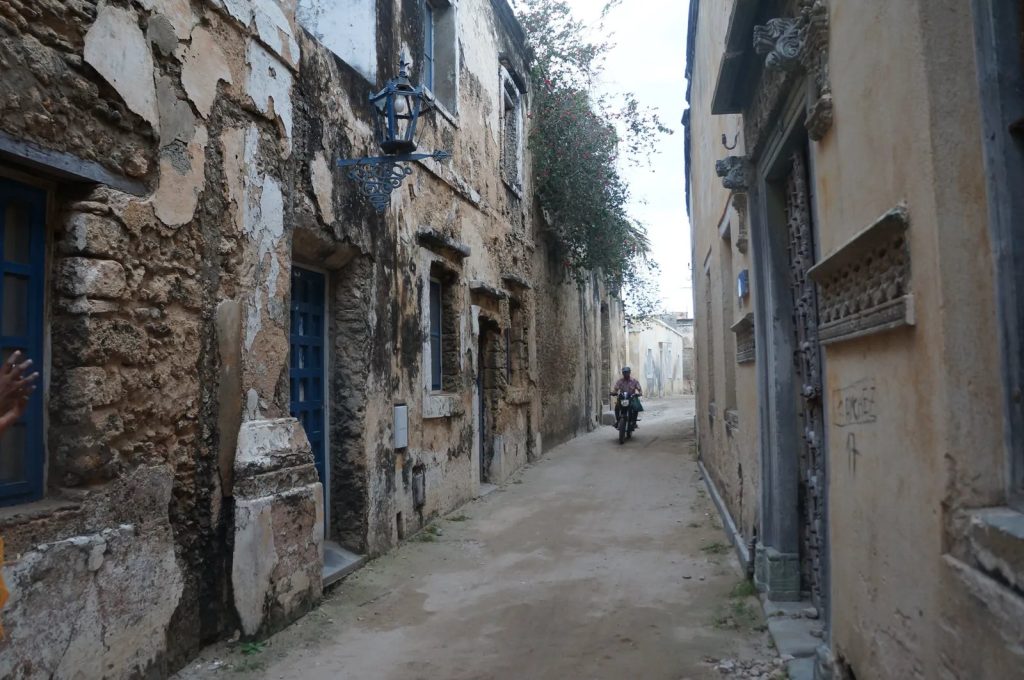
Mozambique Island
Intention and action
“To foster further academic research, facilitate the improvement of teaching in universities and schools, and contribute to the training of educators in Brazil and Mozambique, while also providing resources for the creation of the didactic materials.”